
What Is Bone Grafting?
A bone graft is a procedure that rebuilds or restores bone in areas of your jaw where it has been lost or is insufficient. When teeth are missing, the jawbone beneath them begins to shrink over time because it no longer receives the stimulation it needs to maintain its density. Bone loss can also result from gum disease, injury, or infection.
Bone grafting gives your jaw the volume and strength it needs to help support dental implants, preserve your facial structure, and maintain your overall oral health. Without an adequate bone foundation, many restorative treatments simply cannot succeed.
At Sovrle Dental Clinic in North York, we perform bone grafting with precision and care, using high-quality graft materials and modern techniques to help restore the bone volume your smile needs for dental implants, crowns, and long-term oral health.
When Is Bone Grafting Recommended?
Bone grafting is recommended in several situations where the existing jawbone is no longer strong or dense enough to support treatment or maintain oral health.
Before dental implant placement: Dental implants require a certain amount of healthy bone to anchor securely. If bone loss has occurred, a graft is needed to create a stable foundation before the implant can be placed.
After a tooth extraction: When a tooth is removed, the surrounding bone can begin to resorb quickly. A socket preservation graft placed at the time of extraction helps maintain bone volume for future restorations.
Following gum disease: Advanced periodontal disease can destroy the bone supporting your teeth. A bone graft can help rebuild this lost structure and stabilize the affected area.
After trauma or injury: Accidents that affect the jaw can result in bone defects that require grafting to restore proper form and function.
Our dentists will assess the current state of your jawbone using digital imaging and discuss your goals before recommending the approach that best fits your situation.
What to Expect During Bone Grafting at Sovrle Dental Clinic
Step 1: Assessment and Initial Consultation
We begin with a thorough examination and a detailed assessment. We take intra-oral dental X-rays and CBCT 3D X-Rays to evaluate the volume, density, and structure of your existing bone, giving us a clear picture of your jaw before any treatment begins.
From there, we review your imaging with you directly, walk through your treatment requirements, the type of graft material that is most appropriate for your case, and what to expect throughout the process and recovery.
Step 2: Preparing the Site
On the day of your procedure, we numb the treatment area using a local anesthetic so that you remain completely comfortable throughout the procedure. Sedation options are available for patients who meet certain requirements.
A small incision is made in the gum tissue to expose the area of bone that requires grafting. The site is gently cleaned and prepared to receive the graft material.
Step 3: Placing the Graft Material
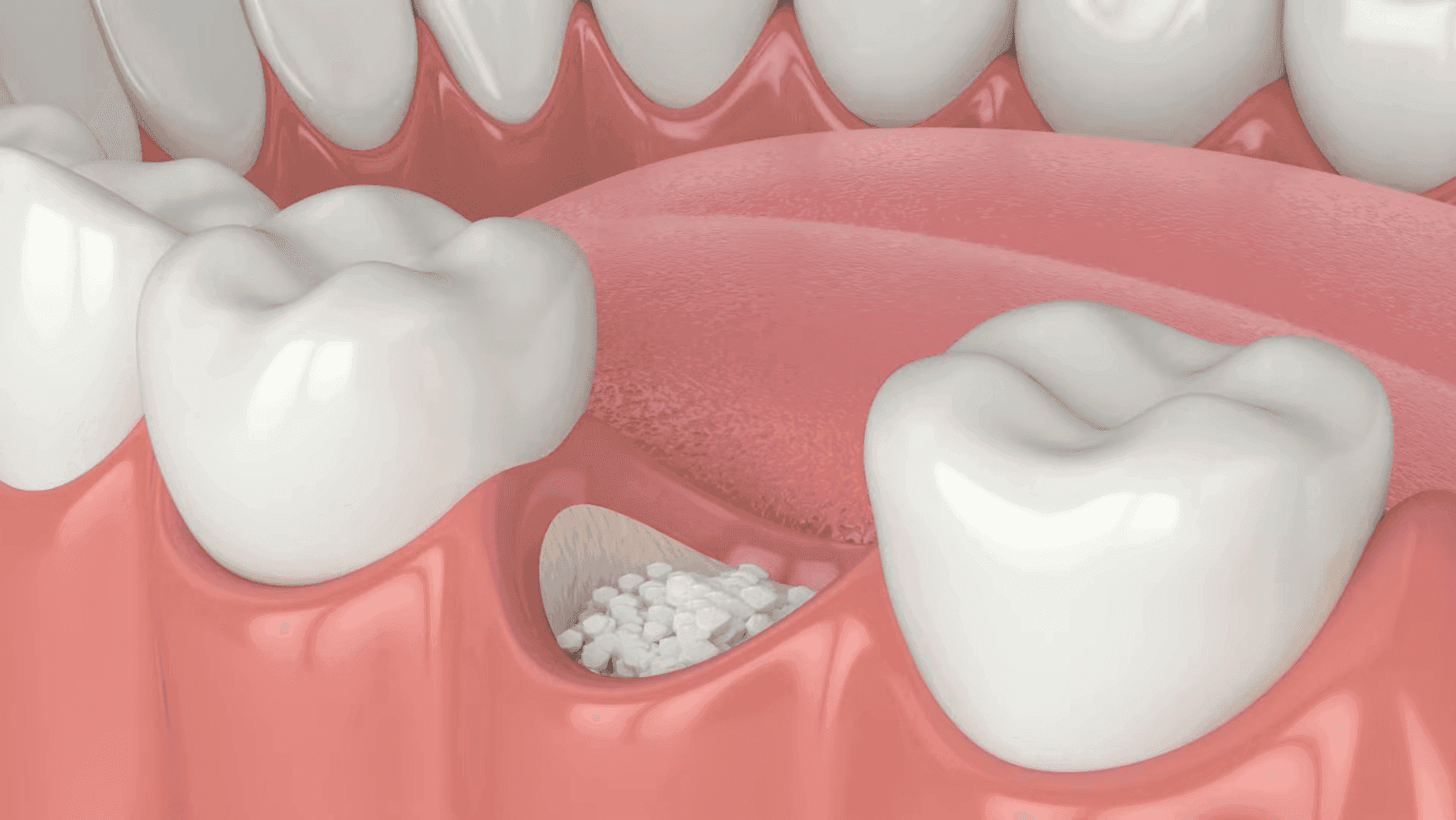
The graft material is carefully placed into the deficient area of the jaw. Depending on your needs, we may use one of several types of graft material:
Autograft: Bone taken from another area of your own body, such as the chin or the back of the jaw.
Allograft: Processed donor bone from a tissue bank, sterilized and prepared to be safe and effective.
Xenograft: Bone-derived material from an animal source, typically bovine, that has been treated to make it biocompatible.
Alloplast: A synthetic bone substitute that supports the body's own bone regeneration.
In many cases, a collagen membrane is placed over the graft to protect it and help guide new bone growth. We will recommend the graft type that is best suited to your anatomy, your treatment plan, and the amount of bone needed.
Step 4: Closing and Initial Healing
The gum tissue is gently sutured closed over the graft site. The area is given time to heal undisturbed. Over the following weeks and months, your body integrates the graft material and new bone cells begin to form and fill in the treated area.
Most patients experience only mild soreness and swelling in the days following the procedure, which is manageable with over-the-counter pain relief medications.
Step 5: Monitoring and Next Steps
We schedule follow-up visits to monitor your healing and confirm that the graft is integrating well. Once sufficient bone has developed, usually over a period of three to six months, you will be ready to move forward with the next phase of your treatment, whether that is a dental implant, a bridge, or another restoration.
Why Choose Sovrle Dental Clinic in North York, for Bone Grafting?
Modern Imaging Technology: We use detailed digital imaging to assess your bone structure precisely, so your graft is planned with accuracy and confidence from the very first consultation.
High-Quality Graft Materials: We use rigorously sourced, biocompatible graft materials that meet current safety and quality standards, giving your jaw the best conditions for successful regeneration.
Experienced Dental Clinicians: Our dentists are trained in bone grafting procedures, from simple socket preservation to more complex pre-implant grafting.
Patient Comfort First: We take the time to make sure you understand every step of the process and feel at ease before we begin. Sedation options are available for patients who need additional comfort during the procedure.
Convenient Location and Access: Located at Yonge and Sheppard in North York, in the Hullmark Centre, making accessibility easy.
Frequently Asked Questions About Bone Grafting
Is a bone graft painful?
The area is fully numbed before we begin, and sedation is available for patients who need to feel more relaxed.
Some soreness and swelling in the days following the graft is normal and typically manageable with over-the-counter pain relief and the aftercare instructions we provide.
How long does it take for a bone graft to heal?
Most patients require three to six months of healing before the grafted site is ready to support a dental implant or other restoration. We monitor your progress closely throughout this period.
How long does the bone grafting procedure take?
Most bone grafting appointments are completed within one to two hours, depending on the complexity of your case.
Socket preservation grafts done at the time of an extraction are often quicker, while larger grafts may take a little longer. If you are receiving and implant, we'll often pair the procedures, which will take longer. We will give you a clear time estimate during your consultation.
Can I eat normally after a bone graft?
You will need to follow a soft food diet for a period of time after your graft to protect the healing site.
We will give you detailed aftercare instructions on what to eat, what to avoid, and how to keep the area clean while it heals. Most patients are able to return to a normal diet as the area heals over the following weeks.
Is bone grafting safe?
Bone grafting is a well-established and widely performed dental procedure. The materials used are carefully processed, tested, and biocompatible.
When performed by an certified and experienced dentist using high-quality materials, bone grafting carries a very high rate of success. Our team will review your health history and discuss any individual considerations with you before moving forward.
Will I need a bone graft before getting a dental implant?
Not all patients require a bone graft before implant placement.
Whether a graft is needed depends on the current density and volume of your jawbone at the implant site. During your implant consultation, we will use imaging to assess your bone and let you know whether grafting is recommended as part of your treatment plan.
What Is Bone Grafting?
A bone graft is a procedure that rebuilds or restores bone in areas of your jaw where it has been lost or is insufficient. When teeth are missing, the jawbone beneath them begins to shrink over time because it no longer receives the stimulation it needs to maintain its density. Bone loss can also result from gum disease, injury, or infection.
Bone grafting gives your jaw the volume and strength it needs to help support dental implants, preserve your facial structure, and maintain your overall oral health. Without an adequate bone foundation, many restorative treatments simply cannot succeed.
At Sovrle Dental Clinic in North York, we perform bone grafting with precision and care, using high-quality graft materials and modern techniques to help restore the bone volume your smile needs for dental implants, crowns, and long-term oral health.
When Is Bone Grafting Recommended?
Bone grafting is recommended in several situations where the existing jawbone is no longer strong or dense enough to support treatment or maintain oral health.
Before dental implant placement: Dental implants require a certain amount of healthy bone to anchor securely. If bone loss has occurred, a graft is needed to create a stable foundation before the implant can be placed.
After a tooth extraction: When a tooth is removed, the surrounding bone can begin to resorb quickly. A socket preservation graft placed at the time of extraction helps maintain bone volume for future restorations.
Following gum disease: Advanced periodontal disease can destroy the bone supporting your teeth. A bone graft can help rebuild this lost structure and stabilize the affected area.
After trauma or injury: Accidents that affect the jaw can result in bone defects that require grafting to restore proper form and function.
Our dentists will assess the current state of your jawbone using digital imaging and discuss your goals before recommending the approach that best fits your situation.
What to Expect During Bone Grafting at Sovrle Dental Clinic
Step 1: Assessment and Initial Consultation
We begin with a thorough examination and a detailed assessment. We take intra-oral dental X-rays and CBCT 3D X-Rays to evaluate the volume, density, and structure of your existing bone, giving us a clear picture of your jaw before any treatment begins.
From there, we review your imaging with you directly, walk through your treatment requirements, the type of graft material that is most appropriate for your case, and what to expect throughout the process and recovery.
Step 2: Preparing the Site
On the day of your procedure, we numb the treatment area using a local anesthetic so that you remain completely comfortable throughout the procedure. Sedation options are available for patients who meet certain requirements.
A small incision is made in the gum tissue to expose the area of bone that requires grafting. The site is gently cleaned and prepared to receive the graft material.
Step 3: Placing the Graft Material
The graft material is carefully placed into the deficient area of the jaw. Depending on your needs, we may use one of several types of graft material:
Autograft: Bone taken from another area of your own body, such as the chin or the back of the jaw.
Allograft: Processed donor bone from a tissue bank, sterilized and prepared to be safe and effective.
Xenograft: Bone-derived material from an animal source, typically bovine, that has been treated to make it biocompatible.
Alloplast: A synthetic bone substitute that supports the body's own bone regeneration.
In many cases, a collagen membrane is placed over the graft to protect it and help guide new bone growth. We will recommend the graft type that is best suited to your anatomy, your treatment plan, and the amount of bone needed.
Step 4: Closing and Initial Healing
The gum tissue is gently sutured closed over the graft site. The area is given time to heal undisturbed. Over the following weeks and months, your body integrates the graft material and new bone cells begin to form and fill in the treated area.
Most patients experience only mild soreness and swelling in the days following the procedure, which is manageable with over-the-counter pain relief medications.
Step 5: Monitoring and Next Steps
We schedule follow-up visits to monitor your healing and confirm that the graft is integrating well. Once sufficient bone has developed, usually over a period of three to six months, you will be ready to move forward with the next phase of your treatment, whether that is a dental implant, a bridge, or another restoration.
Why Choose Sovrle Dental Clinic in North York, for Bone Grafting?
Modern Imaging Technology: We use detailed digital imaging to assess your bone structure precisely, so your graft is planned with accuracy and confidence from the very first consultation.
High-Quality Graft Materials: We use rigorously sourced, biocompatible graft materials that meet current safety and quality standards, giving your jaw the best conditions for successful regeneration.
Experienced Dental Clinicians: Our dentists are trained in bone grafting procedures, from simple socket preservation to more complex pre-implant grafting.
Patient Comfort First: We take the time to make sure you understand every step of the process and feel at ease before we begin. Sedation options are available for patients who need additional comfort during the procedure.
Convenient Location and Access: Located at Yonge and Sheppard in North York, in the Hullmark Centre, making accessibility easy.
Frequently Asked Questions About Bone Grafting
Is a bone graft painful?
The area is fully numbed before we begin, and sedation is available for patients who need to feel more relaxed.
Some soreness and swelling in the days following the graft is normal and typically manageable with over-the-counter pain relief and the aftercare instructions we provide.
How long does it take for a bone graft to heal?
Most patients require three to six months of healing before the grafted site is ready to support a dental implant or other restoration. We monitor your progress closely throughout this period.
How long does the bone grafting procedure take?
Most bone grafting appointments are completed within one to two hours, depending on the complexity of your case.
Socket preservation grafts done at the time of an extraction are often quicker, while larger grafts may take a little longer. If you are receiving and implant, we'll often pair the procedures, which will take longer. We will give you a clear time estimate during your consultation.
Can I eat normally after a bone graft?
You will need to follow a soft food diet for a period of time after your graft to protect the healing site.
We will give you detailed aftercare instructions on what to eat, what to avoid, and how to keep the area clean while it heals. Most patients are able to return to a normal diet as the area heals over the following weeks.
Is bone grafting safe?
Bone grafting is a well-established and widely performed dental procedure. The materials used are carefully processed, tested, and biocompatible.
When performed by an certified and experienced dentist using high-quality materials, bone grafting carries a very high rate of success. Our team will review your health history and discuss any individual considerations with you before moving forward.
Will I need a bone graft before getting a dental implant?
Not all patients require a bone graft before implant placement.
Whether a graft is needed depends on the current density and volume of your jawbone at the implant site. During your implant consultation, we will use imaging to assess your bone and let you know whether grafting is recommended as part of your treatment plan.