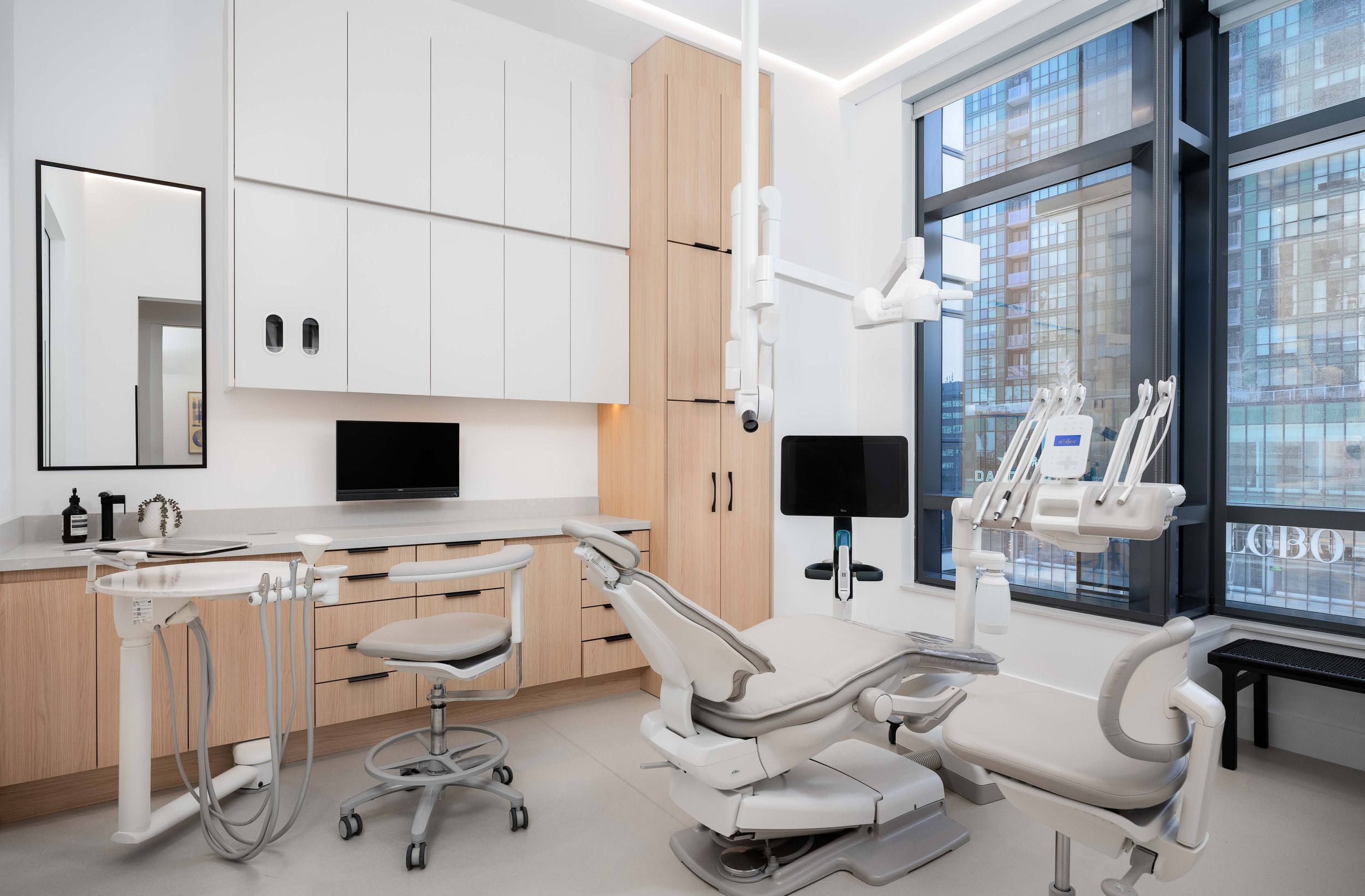
Your well-being is our top priority at Sovrle Dental Clinic in North York. A smooth and comfortable recovery after your dental procedure is important to making that possible!
Following these instructions carefully will help minimize complications, reduce discomfort, and promote faster healing. Please read these instructions carefully to ensure your recovery after your dental procedure is as smooth and comfortable as possible.
Post-Operative Symptoms
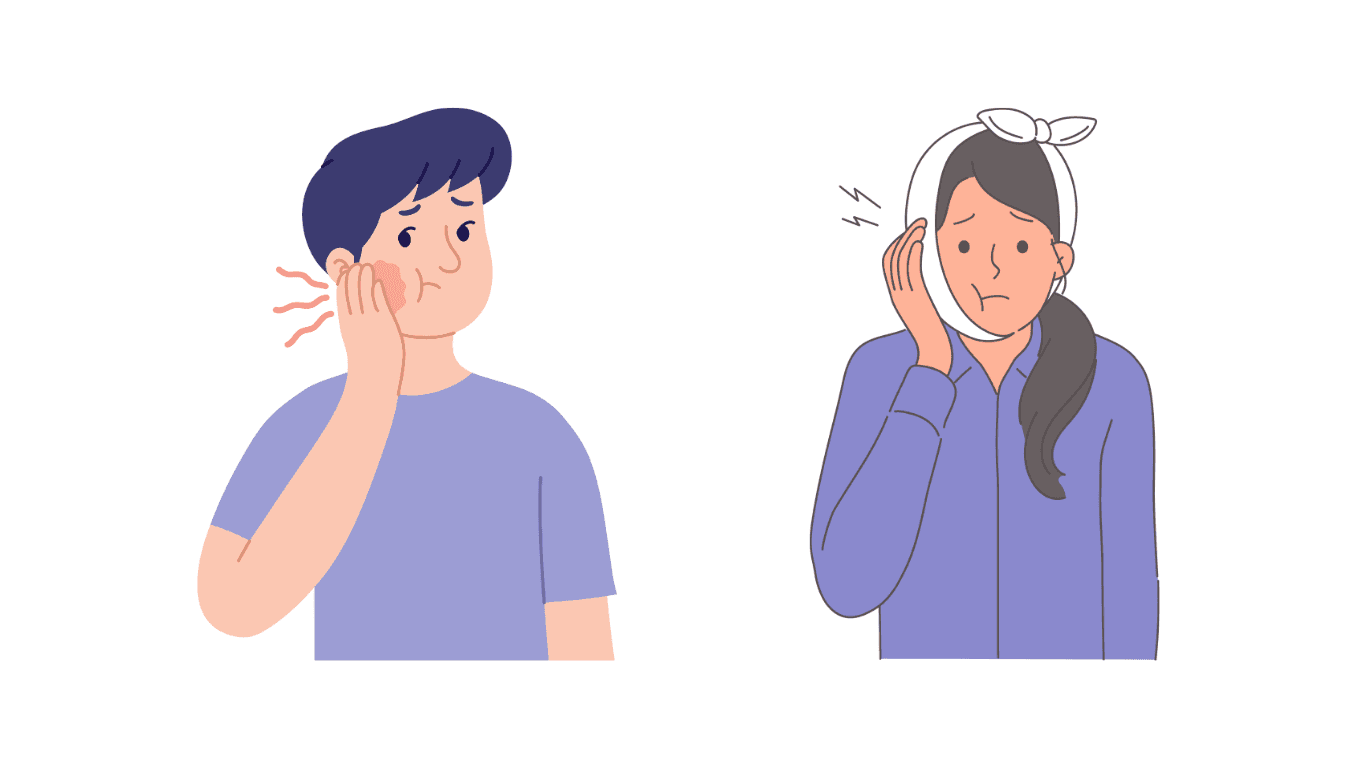
Bleeding and Oozing
Some oozing or pink-tinged saliva is normal for the first 24-48 hours. However, if you experience active, bright red bleeding, please take the following steps:
Fold a fresh piece of sterile gauze into a thick pad.
Place it directly over the bleeding site and bite down with firm, constant pressure for 15-30 minutes.
Do not suck or spit, as this can dislodge the forming clot.
If bleeding persists, you may bite on a moistened regular tea bag for 30 minutes. The tannic acid in the tea helps blood vessels constrict.
Remove any gauze from your mouth before falling asleep.
If heavy bleeding does not stop after these steps ,please go to nearest emergency department: North York Hospital Emergency Department - (416) 756-6001.
Drowsiness
If any sedation was used for your procedure, you may notice some slight drowsiness post-operatively. The minimal oral sedation used at Sovrle Dental Clinic lasts only up to 6 hours (usually less).
During this time, do not drive, operate any heavy machinery, or make any important decisions.
Pain
It is normal to experience some pain after any local anesthetic wears off. To manage discomfort, we will prescribe over-the-counter pain medication such as Ibuprofen (Advil®, Motrin®) or Acetaminophen (Tylenol®).
Please follow all dosage instructions we have provided, and be aware of any health conditions or other medications you are taking that may affect dosing. If you have questions or concerns about your medications, feel free to contact us or talk to your local North York pharmacist.
Swelling
Swelling is the body's normal reaction to surgery and will typically last 3-5 days after your procedure.
Nausea
Nausea can be a side effect of anesthesia, pain medication or antibiotics (if prescribed). To prevent it, always take medication with food. If you feel nauseous, try sipping on clear, carbonated beverages like ginger ale or 7-Up, and stick to bland foods.
Bruising
Light bruising around the face, jaw, and neck is not uncommon after a dental surgery procedure. It is caused by bleeding under the skin and may appear as black, blue, green, or yellow discolouration.
It should resolve on its own over the course of 7-14 days.
Post-Operative Prescriptions
Antibiotics
If you were prescribed antibiotics, take them as directed until they are completely finished. Do not stop taking them just because you feel better. Finishing the full course is essential to prevent infection and ensure all harmful bacteria are eliminated.
If you experience any allergic reaction to the antibiotics such as difficulty breathing, rash, or itching, contact the North York Hospital Emergency Department : (416) 756-6001.
Post-Operative Hygiene
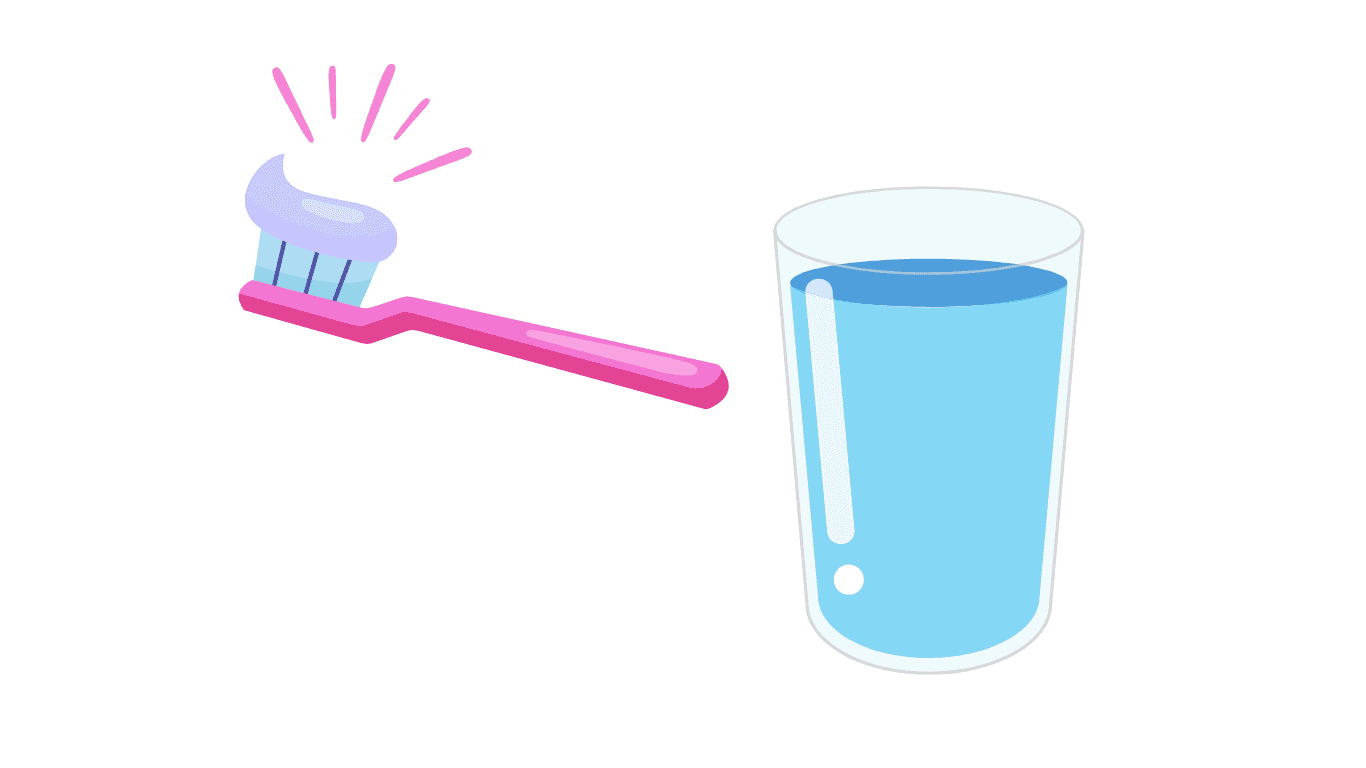
Rinsing
Do not rinse your mouth for the first 24 hours after a dental surgical procedure. This is critical for protecting the blood clot that is forming in the socket.
After 24 hours, you may begin gentle rinsing with a warm saltwater solution (1/2 teaspoon of salt mixed into an 8-ounce glass of warm water). Rinse gently after meals and before bed to keep the area clean.
Spitting
Avoid forceful spitting and using a straw for at least one week after dental surgery. The suction created by these actions can dislodge the blood clot from the socket, which can lead to a painful condition called a dry socket.
Instead, let saliva or rinse water gently fall out of your mouth into the sink.
Brushing
You may continue to brush your teeth the day of surgery, but be very gentle and avoid the surgical site entirely for the first day or two. As healing progresses, you can begin to brush closer to the area, taking care not to disturb the site.
A clean mouth heals faster and prevents potential infections.
Irrigation Syringe
If you were given a small, curved plastic irrigation syringe, do not use it until 4-5 days after your dental surgery, or as specifically instructed by your dentist.
To use it, fill the syringe with the warm saltwater solution. Gently apply the tip of the syringe on the surgical site and flush out any trapped food particles. Do this after meals and at bedtime until the socket has fully closed.
Post-Operative Lifestyle
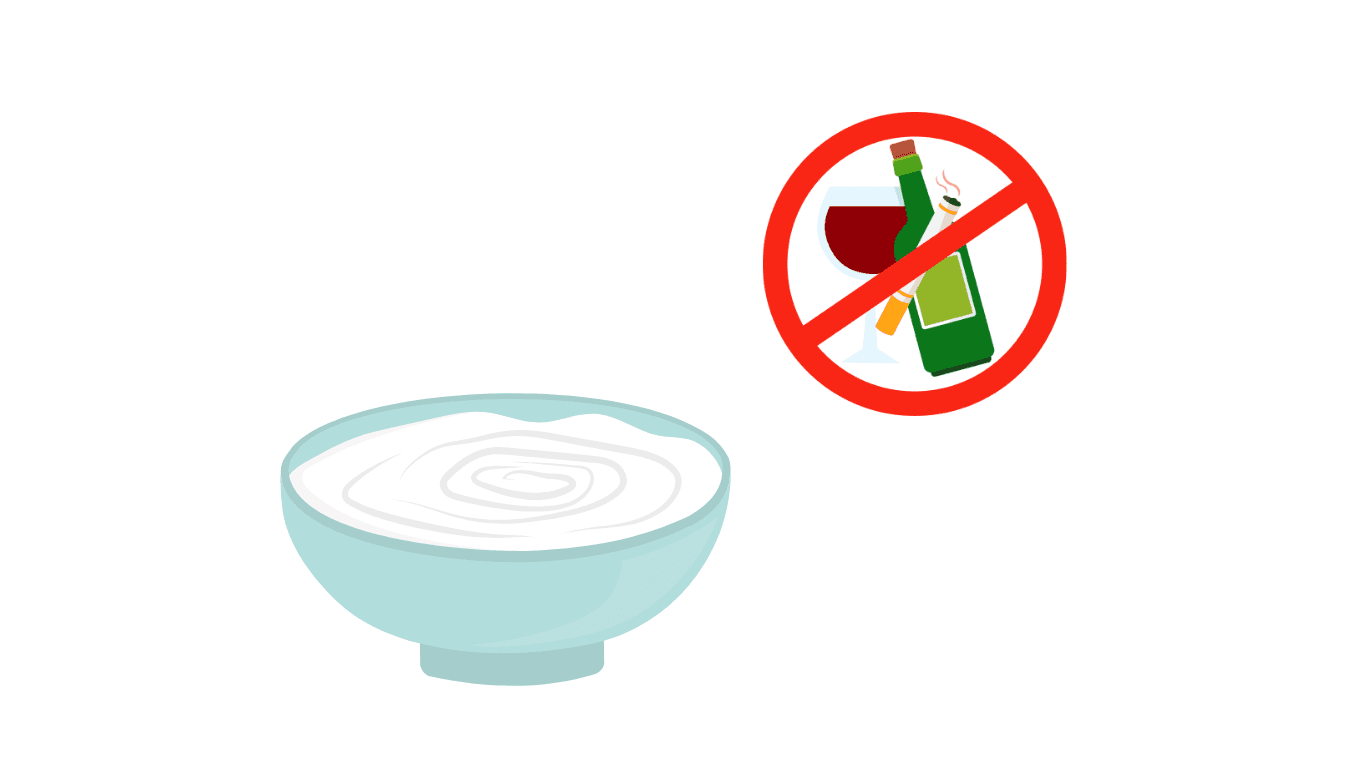
Diet
Proper nutrition and hydration are vital for healing. For the first 24 hours after the procedure, consume cool liquids and very soft foods. Avoid anything hot, as this can lead to burns if you are still under the effects of anesthetic.
Progress to a soft diet as you feel comfortable, but avoid hard, crunchy, spicy, or seedy foods (like nuts, popcorn, or chips) for at least one week after the procedure, as they can irritate the surgical site or get stuck in the socket.
Soft Diet Options
Here are some examples of foods that are safe to eat during your recovery:
Smoothies (do not use a straw)
Yogurt, pudding, and Jell-O®
Applesauce
Mashed potatoes
Scrambled eggs
Lukewarm soups (creamy, no large chunks)
Oatmeal or cream of wheat
Cottage cheese
Ice cream and sorbet
Protein shakes and meal replacement drinks
Note: DO NOT use a straw during this recovery period.
Exercise
Take plenty of rest after surgery. Avoid strenuous activity which may raise blood pressure for the first 24 hours.
Alcohol
Avoid alcohol for at least 48 hours, as it can interfere with and delay healing. Alcohol can also increase nausea and increase bleeding during the healing phase.
Do NOT use alcoholic beverages while taking prescription or over-the-counter pain medication like Ibuprofen (Advil®, Motrin®) or Acetaminophen (Tylenol®).
Smoking
Do not smoke for at least 72 hours after, and preferably for as long as possible after the dental surgery procedure. Smoking significantly hinders the healing process, increases the risk of infection, and the suction can cause a dry socket.
If you need help quitting smoking, please see our resources.
We Are Here To Help
Your comfort and health are our primary concerns. If you experience severe pain, uncontrolled bleeding, persistent swelling after 3 days, or have any questions or concerns, please do not hesitate to contact our office at (416) 491-2117
Additional Resources
Your well-being is our top priority at Sovrle Dental Clinic in North York. A smooth and comfortable recovery after your dental procedure is important to making that possible!
Following these instructions carefully will help minimize complications, reduce discomfort, and promote faster healing. Please read these instructions carefully to ensure your recovery after your dental procedure is as smooth and comfortable as possible.
Post-Operative Symptoms
Bleeding and Oozing
Some oozing or pink-tinged saliva is normal for the first 24-48 hours. However, if you experience active, bright red bleeding, please take the following steps:
Fold a fresh piece of sterile gauze into a thick pad.
Place it directly over the bleeding site and bite down with firm, constant pressure for 15-30 minutes.
Do not suck or spit, as this can dislodge the forming clot.
If bleeding persists, you may bite on a moistened regular tea bag for 30 minutes. The tannic acid in the tea helps blood vessels constrict.
Remove any gauze from your mouth before falling asleep.
If heavy bleeding does not stop after these steps ,please go to nearest emergency department: North York Hospital Emergency Department - (416) 756-6001.
Drowsiness
If any sedation was used for your procedure, you may notice some slight drowsiness post-operatively. The minimal oral sedation used at Sovrle Dental Clinic lasts only up to 6 hours (usually less).
During this time, do not drive, operate any heavy machinery, or make any important decisions.
Pain
It is normal to experience some pain after any local anesthetic wears off. To manage discomfort, we will prescribe over-the-counter pain medication such as Ibuprofen (Advil®, Motrin®) or Acetaminophen (Tylenol®).
Please follow all dosage instructions we have provided, and be aware of any health conditions or other medications you are taking that may affect dosing. If you have questions or concerns about your medications, feel free to contact us or talk to your local North York pharmacist.
Swelling
Swelling is the body's normal reaction to surgery and will typically last 3-5 days after your procedure.
Nausea
Nausea can be a side effect of anesthesia, pain medication or antibiotics (if prescribed). To prevent it, always take medication with food. If you feel nauseous, try sipping on clear, carbonated beverages like ginger ale or 7-Up, and stick to bland foods.
Bruising
Light bruising around the face, jaw, and neck is not uncommon after a dental surgery procedure. It is caused by bleeding under the skin and may appear as black, blue, green, or yellow discolouration.
It should resolve on its own over the course of 7-14 days.
Post-Operative Prescriptions
Antibiotics
If you were prescribed antibiotics, take them as directed until they are completely finished. Do not stop taking them just because you feel better. Finishing the full course is essential to prevent infection and ensure all harmful bacteria are eliminated.
If you experience any allergic reaction to the antibiotics such as difficulty breathing, rash, or itching, contact the North York Hospital Emergency Department : (416) 756-6001.
Post-Operative Hygiene
Rinsing
Do not rinse your mouth for the first 24 hours after a dental surgical procedure. This is critical for protecting the blood clot that is forming in the socket.
After 24 hours, you may begin gentle rinsing with a warm saltwater solution (1/2 teaspoon of salt mixed into an 8-ounce glass of warm water). Rinse gently after meals and before bed to keep the area clean.
Spitting
Avoid forceful spitting and using a straw for at least one week after dental surgery. The suction created by these actions can dislodge the blood clot from the socket, which can lead to a painful condition called a dry socket.
Instead, let saliva or rinse water gently fall out of your mouth into the sink.
Brushing
You may continue to brush your teeth the day of surgery, but be very gentle and avoid the surgical site entirely for the first day or two. As healing progresses, you can begin to brush closer to the area, taking care not to disturb the site.
A clean mouth heals faster and prevents potential infections.
Irrigation Syringe
If you were given a small, curved plastic irrigation syringe, do not use it until 4-5 days after your dental surgery, or as specifically instructed by your dentist.
To use it, fill the syringe with the warm saltwater solution. Gently apply the tip of the syringe on the surgical site and flush out any trapped food particles. Do this after meals and at bedtime until the socket has fully closed.
Post-Operative Lifestyle
Diet
Proper nutrition and hydration are vital for healing. For the first 24 hours after the procedure, consume cool liquids and very soft foods. Avoid anything hot, as this can lead to burns if you are still under the effects of anesthetic.
Progress to a soft diet as you feel comfortable, but avoid hard, crunchy, spicy, or seedy foods (like nuts, popcorn, or chips) for at least one week after the procedure, as they can irritate the surgical site or get stuck in the socket.
Soft Diet Options
Here are some examples of foods that are safe to eat during your recovery:
Smoothies (do not use a straw)
Yogurt, pudding, and Jell-O®
Applesauce
Mashed potatoes
Scrambled eggs
Lukewarm soups (creamy, no large chunks)
Oatmeal or cream of wheat
Cottage cheese
Ice cream and sorbet
Protein shakes and meal replacement drinks
Note: DO NOT use a straw during this recovery period.
Exercise
Take plenty of rest after surgery. Avoid strenuous activity which may raise blood pressure for the first 24 hours.
Alcohol
Avoid alcohol for at least 48 hours, as it can interfere with and delay healing. Alcohol can also increase nausea and increase bleeding during the healing phase.
Do NOT use alcoholic beverages while taking prescription or over-the-counter pain medication like Ibuprofen (Advil®, Motrin®) or Acetaminophen (Tylenol®).
Smoking
Do not smoke for at least 72 hours after, and preferably for as long as possible after the dental surgery procedure. Smoking significantly hinders the healing process, increases the risk of infection, and the suction can cause a dry socket.
If you need help quitting smoking, please see our resources.
We Are Here To Help
Your comfort and health are our primary concerns. If you experience severe pain, uncontrolled bleeding, persistent swelling after 3 days, or have any questions or concerns, please do not hesitate to contact our office at (416) 491-2117